
A research project has been awarded a US$3.1m grant to explore how targeted therapy for rare bone diseases, such as osteogenesis imperfecta (OI), given to babies still in the womb can improve their condition.
An estimated 50,000 people in the United States currently have osteogenesis imperfecta, an inherited condition that causes bones to be extremely fragile and prone to fracture.
A new project aims to develop a prenatal drug therapy that strengthens bone formation before birth, potentially improving outcomes for both the mother and child.
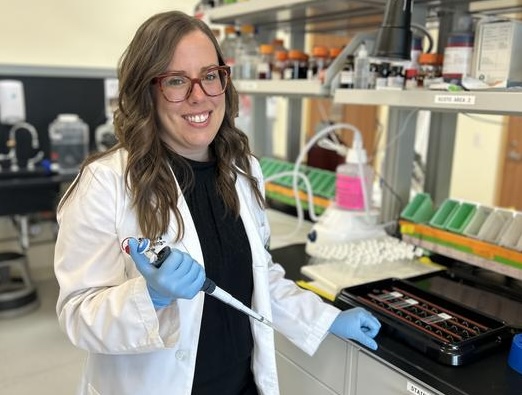
Children’s St. Louis researcher Dr. Arin Oestreich has been awarded a $3.1m grant from the Eunice Kennedy Shriver National Institute of Child Health and Human Development (NICHD).
Over the next five years, Dr. Oestreich will collaborate with Dr. Laura Schulz and Dr. Charlotte Phillips while working across campuses at Washington University in St. Louis, the University of Missouri, and Shriners Children’s St. Louis.
This study explores therapeutic strategies to block myostatin, a protein that normally slows muscle growth. When myostatin is blocked, muscles and bones grow larger.
Currently in the pre-clinical phase, a mouse model is used to see preliminary data such as litter size, pregnancy rate, outcomes, and pup growth.
One of the study’s key focus points is identifying critical developmental windows during which early therapeutic intervention can set the stage to achieve peak bone mass of the foetus, and the impact it has across the entire lifespan.
“Just a small window of development can really have a lasting impact on the long-term health of the offspring,” explained Dr. Oestreich.
“We’re looking at the uterine environment and how it can influence long-term bone strength. Our goal is to use what we learn to strengthen OI bones from the very beginning of development.
“This strategy will not cure OI, but we’re hopeful that we can maximize muscle and bone strength in order to prevent fractures throughout the lifespan, and that’s what this grant is all about.”
This pioneering research emphasizes Shriners Children’s St. Louis’s commitment to advancing life-changing pediatric care through scientific discovery and collaboration.
“But it’s not just a pediatric disease,” said Dr. Oestreich. “We’re also thinking about the mother’s bone strength and how these strategies could support her. Pregnancy and lactation put significant stress on the body and skeleton, so we’re exploring whether this approach can also help mothers with OI maintain their bone strength during these time points.”